Autonomous Robotics

Meet the Future of Autonomous Delivery

Robotics Innovation

More Than a Robot. A Smart Infrastructure.

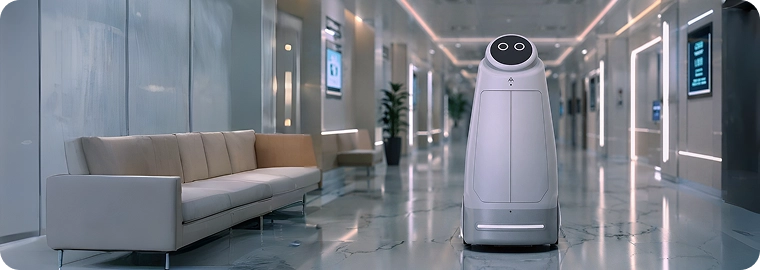
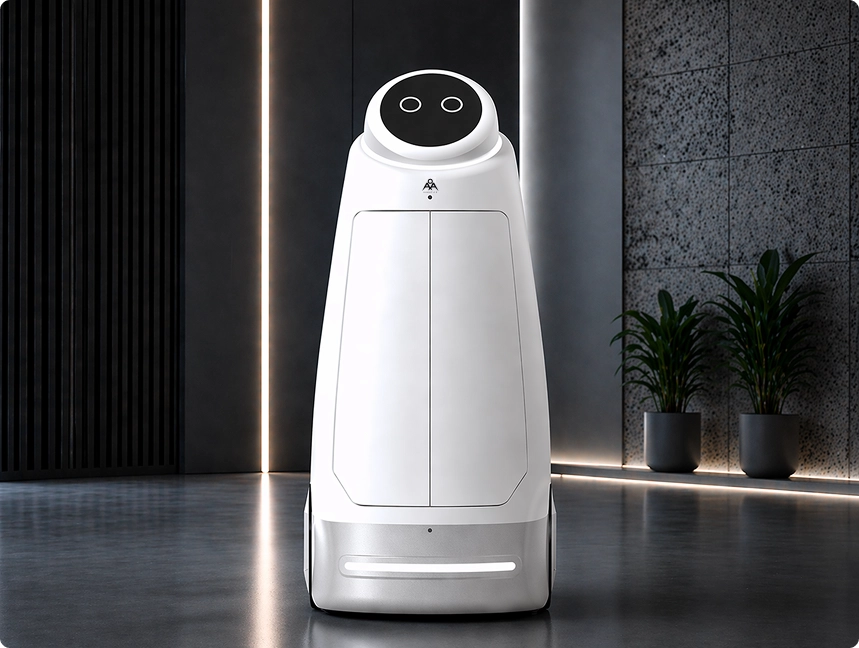
The OAA Robotics Delivery System is a next-generation autonomous solution designed to transform internal logistics with precision, intelligence, and reliability. It automates point-to-point transport, reducing manual effort while improving operational efficiency.

From hospitals to hotels and commercial spaces, it enables fast, secure, and contactless delivery without human intervention. Built for modern environments, it ensures seamless workflow integration and consistent performance across every operation.
Full Autonomous

Fast & Secure Delivery

Contactless Operation

24/7 Availability

Automation Process

From Innovation to Automation

A journey of precision engineering, intelligent design, and seamless real-world impact across modern autonomous environments.

Research & Design

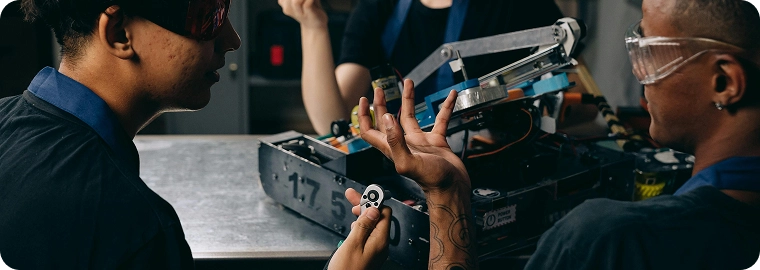
We identified real-world logistics challenges and crafted a smart, functional design powered by advanced robotics and intelligent systems.

AI Development & Testing

Integrated LiDAR, sensors, and intelligent navigation systems, followed by rigorous real-world testing for safety and consistent performance.

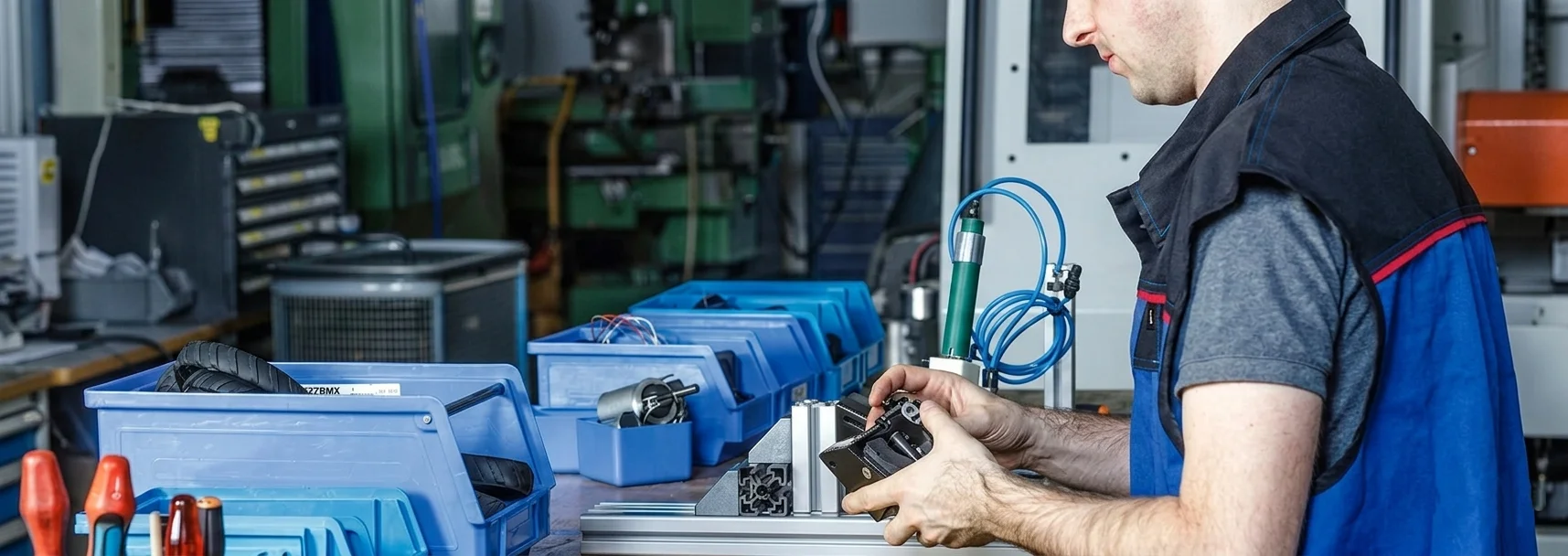
Deployment & Scale

Deployed across modern facilities with continuous optimization, enabling scalable automation and high-performance operations.
FAQ

Autonomous Delivery Robot FAQs

Find answers about navigation, safety, battery life, hospital use, automation features, and multi-floor delivery capabilities of our smart robot system.

The robot uses advanced sensors, cameras, and AI-based mapping to navigate autonomously. It can detect obstacles, plan optimal routes, and move safely in dynamic environments.

Yes, the robot is designed to operate in environments like hospitals. It can assist with tasks such as delivering medicines, transporting supplies, and reducing human workload.
The robot typically offers several hours of continuous operation on a single charge, depending on usage and load conditions.
No, the robot operates autonomously. However, it can also be monitored or controlled remotely if needed.
Yes, the robot can be integrated with elevator systems to travel between floors, enabling seamless multi-level operation.
The robot can carry a variety of items such as documents, medical supplies, food trays, and small packages, depending on its payload capacity.
Yes, safety is a top priority. The robot is equipped with sensors and safety mechanisms to avoid collisions and operate safely around people.
Yes, multiple robots can be deployed and coordinated through a centralized system for efficient task management and collaboration.
No major installation is required. The robot can be set up quickly, though optional integrations (like elevators or automatic doors) may need configuration.
The robot can automatically return to a charging dock when the battery is low, ensuring minimal downtime and continuous operation.